

Date:2026-06-02 Views:18
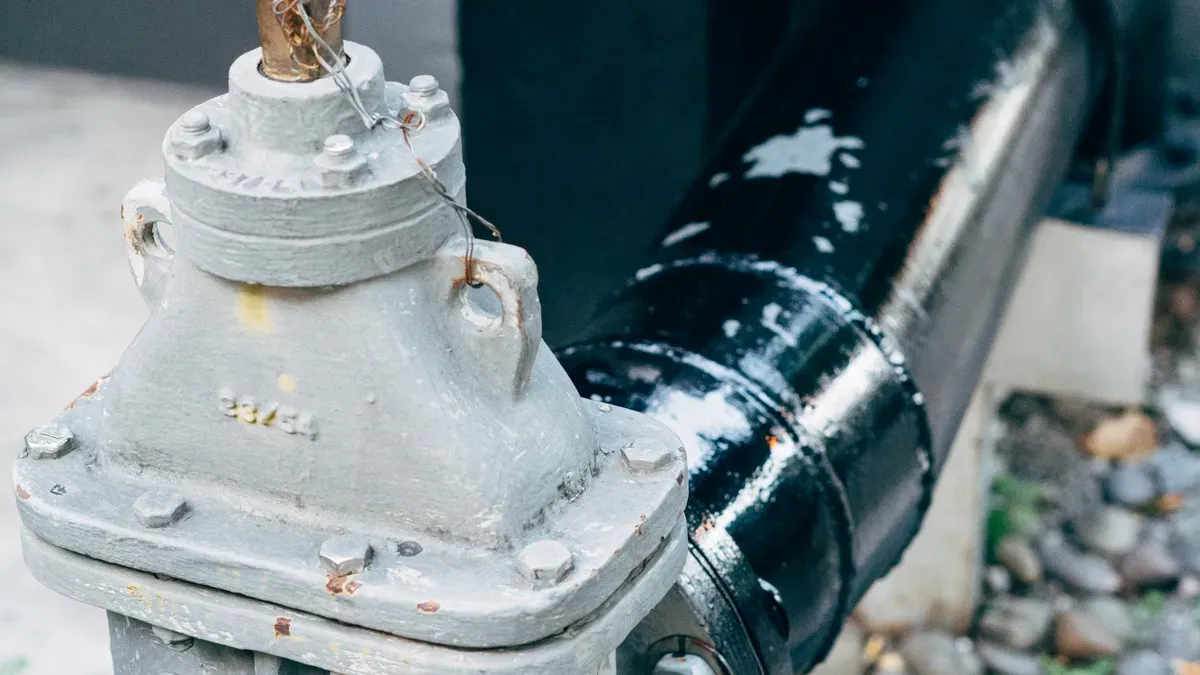
A bevel gear gate valve uses a special gear system to help you open or close the valve with less effort. This type of gate valve stands out because you can control it easily, even when you deal with big pipes or high pressure. The bevel gears increase your control and make the valve ideal for tough jobs where a standard valve might not work well.
Key TakeawaysBevel gear gate valves have a special gear system. This system helps people open and close the valve easily. These valves are good for big pipes and high-pressure systems. They give strong control in these places. Bevel gears make it easier to use the valve. You do not need to use much force, even for hard jobs. Stainless steel and other materials help the valve last a long time. These materials also stop the valve from getting damaged. You can find these valves in water plants. They are also in sewage systems and fire protection systems.
A bevel gear gate valve helps you control liquids or gases in big pipelines. It uses a special gearbox with bevel gears inside. These gears change how force moves, so you can open or close the valve more easily. The main job of this valve is to give you a strong shut-off and smooth use, even when the pipes are large or under high pressure.
The way a bevel gear gate valve works depends on the gearbox. When you turn the handwheel, the gearbox moves your motion through the bevel gears. This makes the stem go up or down, which lifts or lowers the gate inside the valve. This lets you start or stop the flow without much effort. This design helps you do hard jobs that would be tough with a regular gate valve.
You get many good things when you pick gear-operated valves with a bevel gear system:
Bevel gears, like spiral bevel gears, give you high efficiency. They have a big overlap and can handle heavy loads.
The gearbox design helps you keep the valve working longer. It lets you manage high thrust and torque, so you can use the valve in tough systems without worry.
Shafts with roller bearings in the gearbox make the valve work better. This keeps thrust strong and helps the valve run smoothly.
Tip: If you need to use a valve in a big pipeline or under high pressure, gear-operated valves with a bevel gear system make your work easier.
Here is a table that shows the mechanical advantages you get from bevel gears in gear-operated valves:
|
Mechanical Advantage |
Description |
|---|---|
|
Lower Torque |
Makes it easier for you to use the valve |
|
Optional Gearing |
Lets you add more gears for bigger valves |
|
Accommodates Depths |
Lets you put the valve in smaller spaces |
You can see some clear differences between gear-operated valves with bevel gears and regular gate valves:
Regular gate valves often need more force to use, especially when size and pressure go up.
Gear-operated valves use a gearbox to lower the torque you need. This makes them safer and easier for you.
The bevel gear system lets you control the valve with a smaller handwheel, even in tight spots.
You can find bevel gear gate valves made from different materials. Here is a table with common choices:
|
Material Type |
Description |
|---|---|
|
Cast Iron |
Used for strength |
|
Carbon Steel |
Gives toughness and power |
|
Stainless Steel |
Stops rust and corrosion |
When you use gear-operated valves, you can handle many pressures and sizes. For example, you might need a gearbox with a reduction ratio of about 4:1 for ANSI 300 service. If you work with even higher pressures, like ANSI 600, you may need a motorized actuator instead of a manual gearbox.
Operation of Bevel Gear Operated Gate Valve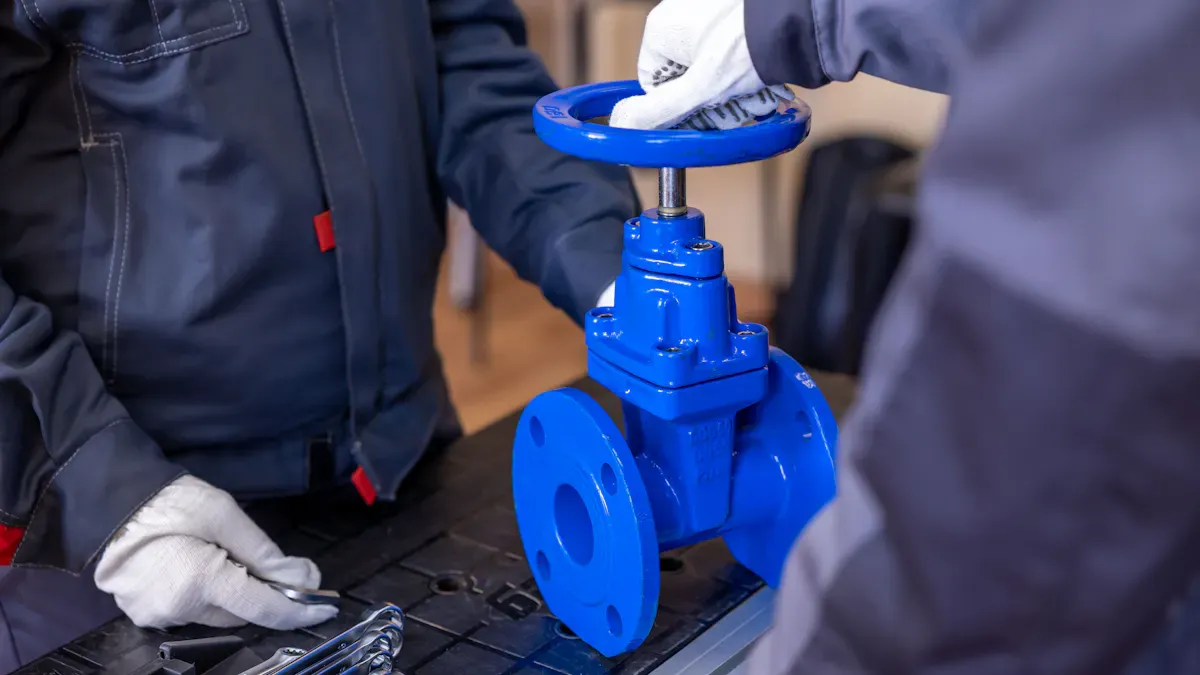
When you use a bevel gear gate valve, you help control the flow. The bevel gear mechanism is inside the gearbox. It changes how your hand’s force moves to the valve. Turning the handwheel makes the bevel gears work. This means you do not need much strength. It is easy to use, even with big or high-pressure valves.
The bevel gear mechanism lets you control the valve exactly how you want. You can open or close it fast or slow. The design helps the valve last longer and seal better. You get a strong shutoff, which is important in hard jobs. The gearbox helps you use the valve without getting tired.
The bevel gear mechanism lets you control the valve well.
It makes using the valve easy, even with high pressure.
The design helps the valve last and seal tightly.
The bevel gear mechanism uses reduction to make your small turn stronger. This means you do not need much force to use big or high-pressure valves. The design makes it easier for you to use the valve. It also means you do not have to work as hard.
You start by turning the handwheel. The gearbox takes your turn and sends it to the bevel gears. The gears change the way your force moves. The stem goes up or down. This lifts or lowers the gate inside the valve. This lets you control the flow with less effort.
Here are the steps for using a bevel gear operated gate valve:
Grab the handwheel and turn it.
The gearbox sends your turn to the bevel gears.
The bevel gears make the stem move.
The stem lifts or lowers the gate inside the valve.
The gate opens or closes to let flow start or stop.
You can choose how fast or slow you want to move the valve.
Gear-operated valves work well in big pipes and high-pressure places. You get smooth use and good control. The gearbox lets you use the valve where it would be hard to do by hand. You do not need much strength, so you can work safely and easily.
Gear-operated valves have many good points in tough places:
Smooth Bevel Gear Drive: Makes it easier to use and last longer
Premium Materials: Stops rust and handles high pressure
Precise Fluid Control: Stops leaks and helps the system work better
Versatile Application: Works well in big pipelines
Strong protection and good flow control in hard jobs
You can trust the bevel gear operated gate valve to work well. The gearbox helps you get a tight shutoff and easy control. You can use these valves in systems that need to work well and last long.
|
Step |
Action |
Result |
|---|---|---|
|
1 |
Turn handwheel |
Gearbox gets your turn |
|
2 |
Gearbox moves bevel gears |
Force made smaller, direction set |
|
3 |
Bevel gears move stem |
Gate goes up or down |
|
4 |
Gate opens/closes |
Flow starts or stops |
You can see that gear-operated valves with bevel gears make your job easier. You get easy use, strong control, and good performance in big or high-pressure systems.
Main Components of Gear-Operated Valves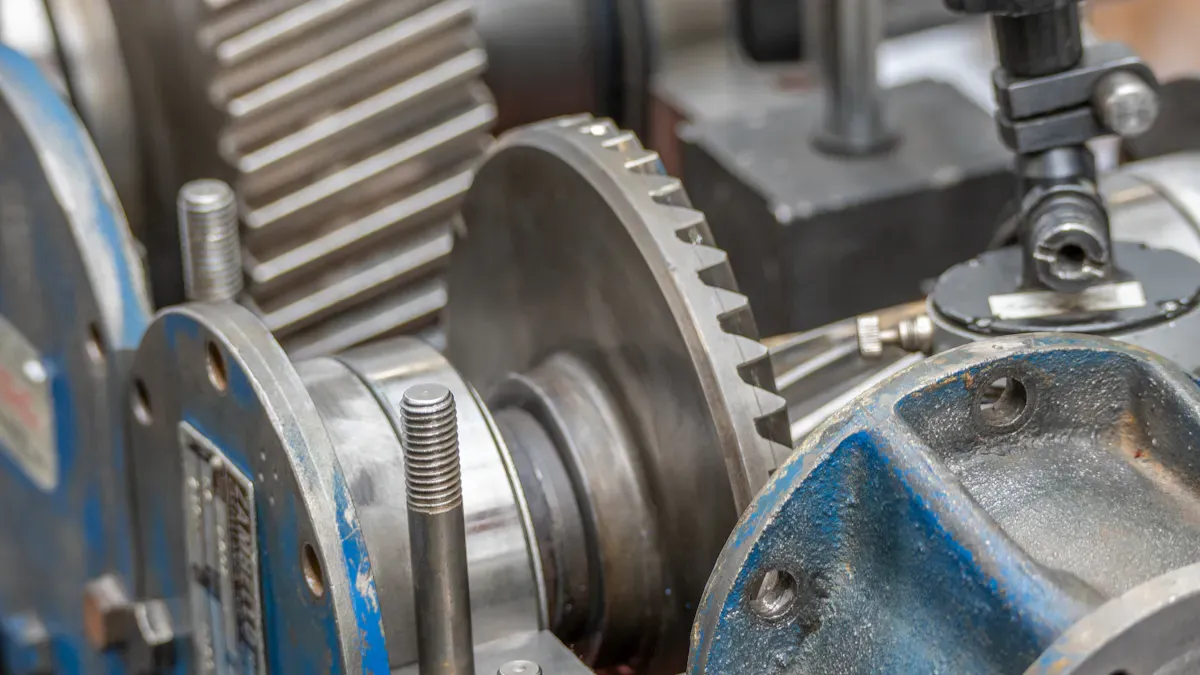
When you look at gear-operated valves, you see that the gate and body form the main structure. The gate acts like a door inside the valve. You move the gate up or down to start or stop the flow. The body holds all the parts together and keeps the valve strong under pressure. The disc, which is part of the gate, affects how much force you need to use. It also helps the valve seal tightly. The seat works with the disc to make sure the valve closes well and does not leak. You often find the body made from cast iron, carbon steel, or stainless steel. These materials help the valve last longer and resist damage.
Note: The seat and disc work together to give you a strong shutoff, even when you use the valve in tough jobs.
The bevel gear assembly sits inside the gearbox. This part changes the direction of your force when you turn the handwheel. The gears are usually made from case-hardened steel. This makes them strong and helps them last a long time. The gearbox mechanism uses these gears to give you more control and less effort. You can open or close large valves without using much strength. The gearbox also protects the gears from dirt and water. This keeps the valve working smoothly for years.
Here is a table that shows some main components and their functions:
|
Component |
Function |
|---|---|
|
Disc |
Impacts torque needs and helps seal the valve |
|
Seat |
Works with disc for proper sealing |
|
Gears |
Made strong for smooth valve operation |
|
Handwheel |
Lets you control the valve by hand |
|
Fasteners |
Hold parts together and prevent rust |
You use the stem and handwheel to control gear-operated valves. The stem connects the handwheel to the gate. When you turn the handwheel, the stem moves up or down. This action opens or closes the valve. The handwheel is often made from materials that match the job. For example, you might see glass-reinforced nylon for drinking water or cast iron for industrial use. The stem must be strong because it handles the force from the gearbox mechanism. Fasteners, often made from stainless steel, keep everything tight and safe.
Applications and PerformanceTip: Always check the handwheel and stem for smooth movement. This helps you keep the valve working well.
Gear-operated valves are used in many big industries. These valves help control flow where strong shut-off is needed. They are easy to use and work well in hard jobs. Here are some places where you find them:
Solid waste plants use these valves to move liquids with solid bits. This stops clogs and keeps things working.
Sewage plants use gear-operated valves for dirty water. They seal well and stop leaks.
Exhaust gas systems use these valves for dusty or bad gases. This keeps the system safe and working right.
You also see gear-operated valves in water supply and fire safety. The table below shows where you use them:
|
Application Type |
Systems Supported |
|---|---|
|
Potable Water |
Drinking water systems |
|
Sewage |
Wastewater management |
|
Fire Protection |
Fire suppression systems |
These valves let you control flow very well. You can trust them in big pipes and safety systems.
Gear-operated valves work well in tough places. You can use them in hot or harsh spots. Picking the right material is important. The table below shows what to use for hard jobs:
|
Condition |
Material Selection |
Application Areas |
|---|---|---|
|
High Temperature |
Stainless steel, chrome-molybdenum |
Steam pipelines, high-temperature gas transmission |
|
Corrosive Environments |
High-alloy stainless steel, Hastelloy |
Chemical industry, acidic or alkaline pipelines |
These valves work even when the system is under stress. They shut off well and do not drop much pressure. Do not use a gate valve for quick shutoff or for slowing flow, especially with thick liquids. For clean water or gas, gear-operated valves cost less per inch than other types.
Tip: Pick gear-operated valves if you want safe, long-lasting, and good control in hard jobs.
You can now see how a bevel gear gate valve helps you control flow easily. This valve uses a special design to move the gate with less effort. You get strong control and smooth use. The valve shuts off well and is trusted by many industries. It is small and lets you set the valve exactly where you want.
You save time because the valve works well and needs little care.
The valve lasts long and seals tightly to keep your system safe.
You can control the valve exactly, even in tough jobs.
|
Benefit |
Description |
|---|---|
|
Reduced Torque |
You need less force for big valves. |
|
Reliable in Harsh Conditions |
The valve works well with thick or rough liquids. |
|
Versatile Applications |
You can use it in many places and for different flows. |
|
Enhanced Durability |
The valve does not wear out fast and lasts a long time. |
Pick a bevel gear gate valve if you want strong control and good performance for your system.
FAQYou use less force with a bevel gear gate valve. The bevel gears help you turn the valve easily, even when the pipe is big or the pressure is high. Regular gate valves need more strength.
Yes, you can. Many bevel gear gate valves use safe materials like stainless steel or glass-reinforced nylon. These materials work well in drinking water systems and do not add harmful chemicals.
You should check the handwheel and stem for smooth movement. Lubricate the gears if needed. Clean the valve to remove dirt. Tighten any loose fasteners. Regular checks help your valve last longer.
You find these valves in water plants, sewage systems, fire protection, and large pipelines. They work well in places that need strong shutoff and easy control.