


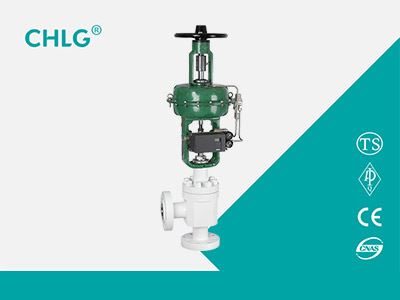
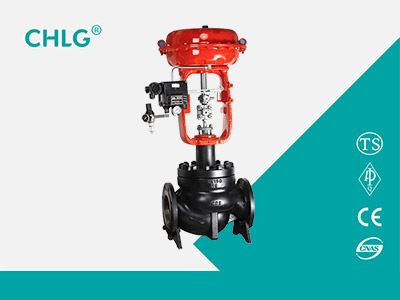
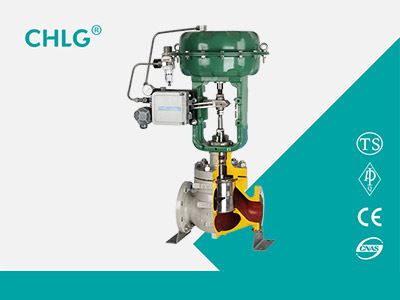
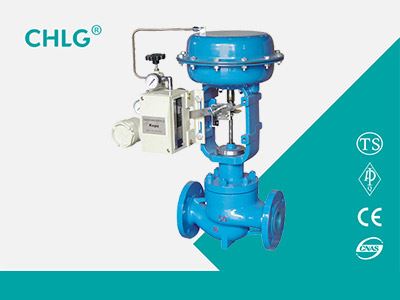
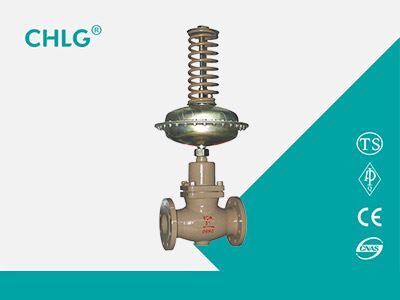
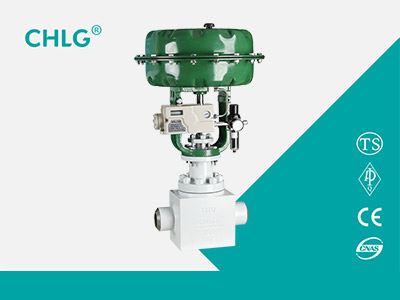
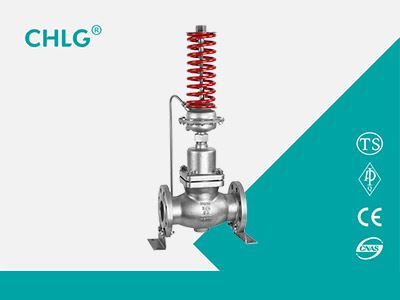
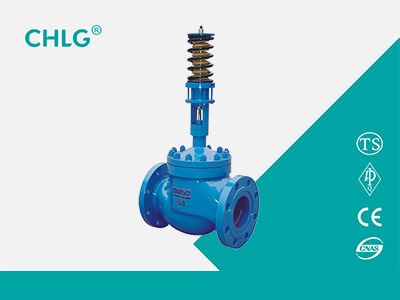
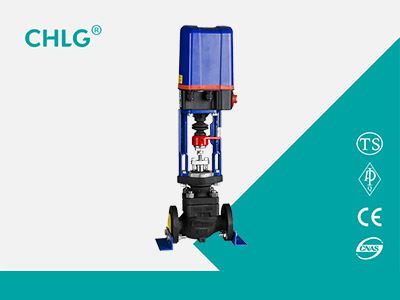
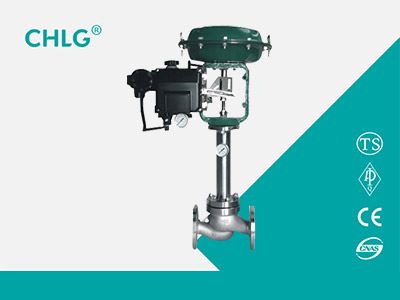
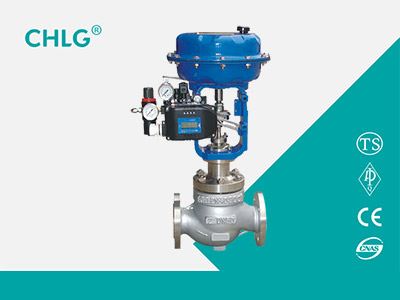
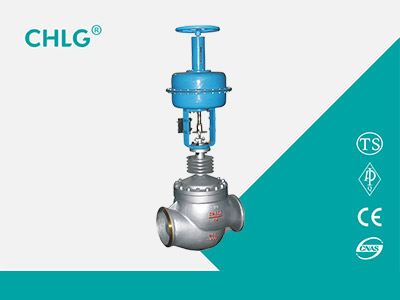
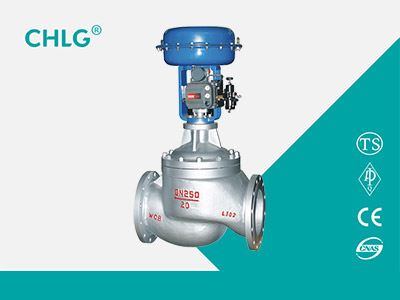
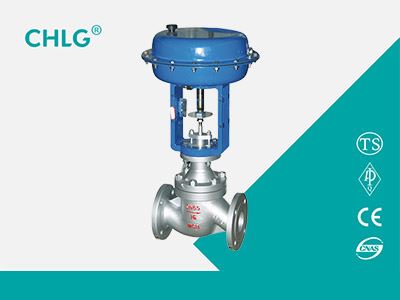
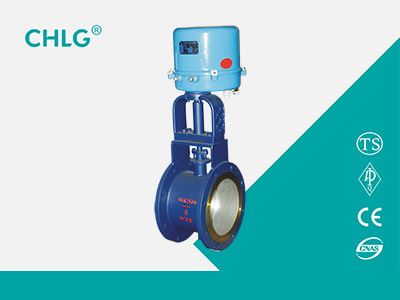
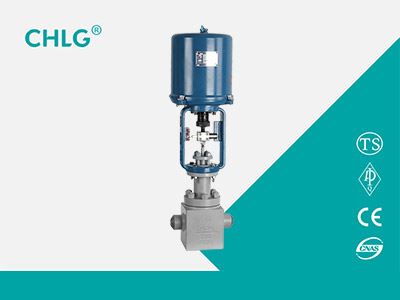
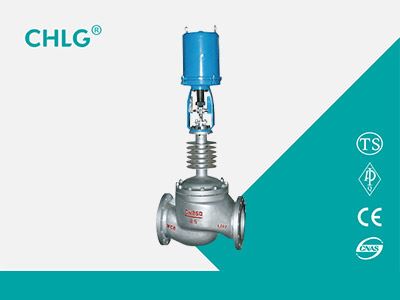
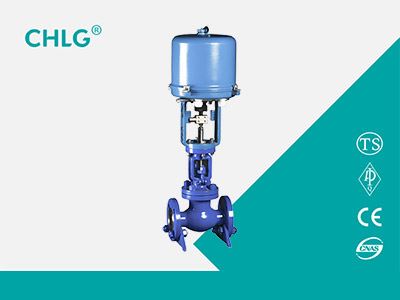
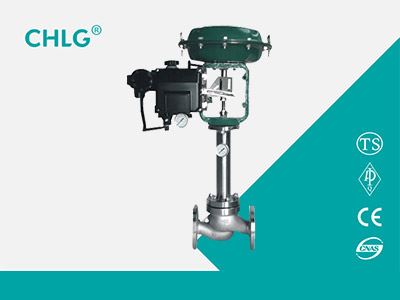
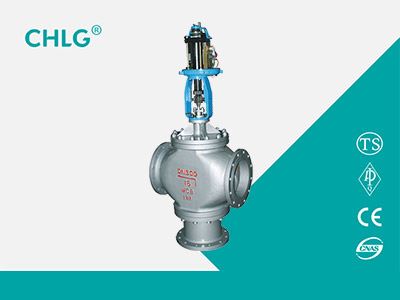
What is a Regulating Valve?
A regulating valve (also called control valve) is used for automatic regulation of fluid flow, pressure, temperature, or liquid level. Working with a control system, it adjusts opening based on sensor signals to achieve precise control of process parameters.
Regulating valves are the most important actuation components in process control systems, widely used in petrochemical, power, metallurgy, pharmaceutical, and other industries.
Main Types
Single Seat Control Valve
One plug, one seat. For applications requiring high leakage class.
- High sealing
- Small to medium size
- ANSI Class IV-VI
Cage Guided Control Valve
Plug moves inside cage. Anti-cavitation, noise reduction. For high differential pressure.
- Anti-cavitation
- High DP
- Noise reduction
Angle Control Valve
90° inlet/outlet. For high viscosity, slurry media.
- 90° flow
- High viscosity
- Slurry capable
Flow Characteristics
Linear
Flow proportional to stem position. For systems with stable pressure drop.
Equal Percentage
Equal percentage flow change per unit stem movement. For systems with variable pressure drop.
Quick Open
High flow at small opening. For on/off control applications.
Technical Specifications
| Parameter | Range |
|---|---|
| Size Range | DN15 - DN500 (1/2" - 20") |
| Pressure Class | 150LB - 2500LB (PN10 - PN420) |
| Temperature Range | -196°C to +550°C |
| Body Materials | WCB, CF8, CF8M, WC6, WC9, Titanium alloy |
| Plug Materials | SS304, SS316, Stellite, Ceramic |
| Flow Characteristic | Linear, Equal %, Quick Open, Parabolic |
| Leakage Class | ANSI/FCI 70-2 Class IV - VI |
| Connections | Flange (RF/RTJ), Butt Weld, Threaded |
| Design Standards | IEC 60534, GB/T 17213, ANSI/ISA-75 |
| Actuator Type | Pneumatic diaghragm, Pneumatic piston, Electric, Hydraulic |
Industry Applications
- Petrochemical: Distillation column reflux, reactor feed — Cage control valve
- Power Generation: Feedwater control, desuperheating — Single seat/cage control valve
- Metallurgy: Blast furnace gas, cooling water — Butterfly/ball type control valve
- Pharmaceutical: Batching, fermentation control — Sanitary control valve
- HVAC: Chilled water, hot water circulation — Electric butterfly control valve
Frequently Asked Questions
Q1: What factors need to be considered for control valve selection?
Factors include: process parameters (flow, pressure, temperature, medium), differential pressure, flow characteristic, leakage class, rangeability, noise requirements, cavitation/flashing risk, actuator type, etc. It is recommended to provide a complete process data sheet for professional selection.
Q2: What are cavitation and flashing? How to avoid?
Cavitation is when local liquid pressure drops below vapor pressure, forming bubbles that collapse in high pressure zones, causing metal surface damage. Flashing is when liquid pressure drops below vapor pressure and vaporizes. Avoidance methods: use anti-cavitation trim (cage type), reduce differential pressure, increase downstream pressure, use hardened materials.
Q3: What does rangeability mean?
Rangeability (R) is the ratio of maximum controllable flow to minimum controllable flow. Typical control valve rangeability is 30:1 to 50:1. Higher rangeability means wider control range.
Q4: How to choose between pneumatic and electric actuators?
Pneumatic actuator: fast response, explosion-proof, fail-safe (with spring return), but requires air supply. Electric actuator: power convenient, precise positioning, no air supply needed, but slower response. Prefer pneumatic for explosion-proof requirements.
Q5: What is a positioner? What is its function?
A positioner is an accessory device for control valves. It receives control signal (4-20mA) and compares with stem position, adjusting actuator air pressure to make valve opening precisely correspond to control signal. Positioners improve control accuracy, dynamic response, and enable split-range control.
Need a Control Valve Solution?
Our engineering team can recommend the optimal control valve type, trim, actuator, and positioner for your specific process. IEC 60534 compliant with full traceability.
Email: info@chlgvalve.com Call: +86-15601794339