

Date:2026-05-29 Views:37
An electric butterfly valve lets you control liquids or gases easily. You use an electric actuator to move the disc. The disc only needs a quarter turn to open or close. This makes it fast and simple to use. The electric butterfly valve is great for systems needing quick changes. It is also good for systems needing exact control. You see electric butterfly valves in many places because they help with automation. The global market for these valves was about $2.8 billion in 2025. It may grow to $4.5 billion by 2033. People like this valve because it is reliable. It is easy to use and saves energy.
The electric butterfly valve lets you control water, air, or chemicals well.
You can find the electric butterfly valve in homes, factories, and big buildings.
Electric butterfly valves help move liquids or gases easily and accurately. - You only need to turn them a quarter way to open or close. - Electric actuators let you control the valves from far away and make them work by themselves. - People use butterfly valves in houses, factories, and big buildings. - Taking care of the valves often helps them last longer and work well.
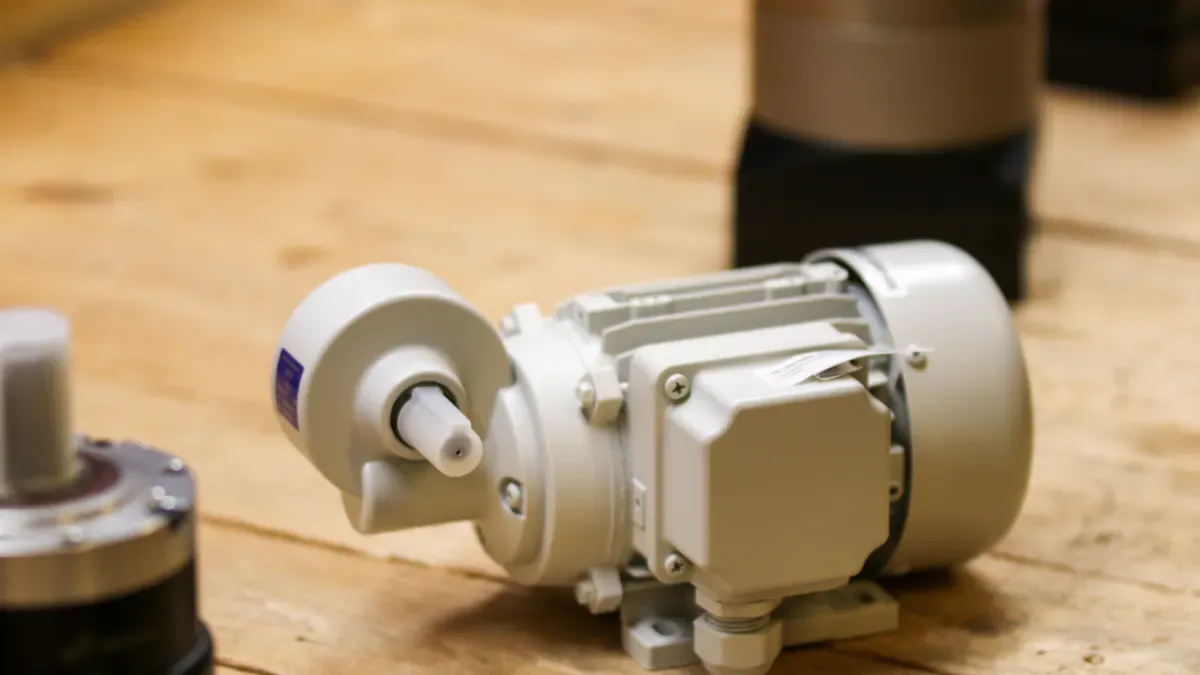
Butterfly valves have a few main parts. Each part helps the valve work and control liquids or gases. The body holds all the parts together. The disc moves to open or close the valve. The actuator makes the disc move. The seal keeps everything tight and stops leaks. You can check the table below to see what materials are used for each part:
|
Component |
Common Materials |
|---|---|
|
Valve Body |
Ductile iron, stainless steel, carbon steel |
|
Valve Disc |
Stainless steel, aluminum bronze, ductile iron |
|
Electric Actuator |
AC or DC powered (varies by application) |
|
Feedback Mechanism |
Position sensors and monitoring tools |
The disc is in the middle of the butterfly valve. It turns to control how much liquid or gas goes through. The seat is made from rubber or Teflon™. It fits tightly with the disc to stop leaks. This design helps keep the flow steady and reliable. You can see how the disc and seat work together in the table below:
|
Component |
Description |
|---|---|
|
Disc |
A thin, round metal plate that turns on a central axis to control fluid flow. When open, it is flat with the flow, letting lots of fluid pass; when closed, it stands up straight, blocking the flow. |
|
Seat |
The surface where the disc seals, usually made of soft materials like rubber or Teflon™, making sure there are no leaks. |
Butterfly valves work with a simple quarter-turn. The actuator turns the disc 90 degrees. This moves the valve from open to closed. Here is how it works:
When the stem turns the disc 90 degrees, the valve goes from fully open to fully closed. This is why butterfly valves are called quarter-turn valves.
0 degrees means the valve is closed.
90 degrees means the valve is open.
The quarter-turn makes butterfly valves quick and easy to use. You only need a short turn to change the flow. The actuator helps you open and close the valve fast. You can compare butterfly valves to other types:
An electric butterfly valve uses a round disc that turns 90 degrees to open or close.
The electric actuator lets you operate the valve faster than a gate valve.
A motorized butterfly valve opens or closes in seconds because of the quarter-turn.
A motorized gate valve takes longer since it needs many turns to lift the wedge.
Butterfly valves are easier to install and use, especially for big pipes.
Using an electric valve actuator with butterfly valves gives you many benefits. The actuator lets you control the valve exactly and quickly. You can automate the valve and use it from far away. You do not have to be near the valve to change its position. The actuator makes the system more reliable and easier to fix. The table below shows the main benefits:
|
Advantage |
Description |
|---|---|
|
Exceptional accuracy |
Gives exact positioning and repeatability for tough control jobs. |
|
Plug-and-play intelligence |
Works easily with SCADA, PLCs, and IoT systems. |
|
Low maintenance |
No need for air lines or compressors—great for remote or indoor places. |
|
Quiet, clean operation |
Works without loud air or noise, making the area better. |
You can connect electric butterfly valves to smart systems. This lets you watch and change the valve in real time. You can check for problems and make the valve work better from far away. Automation helps reduce downtime and makes things run smoother. You do not need to do things by hand, and you can trust the system to work well.
You can compare electric butterfly valves to manual butterfly valves:
Manual butterfly valves need you to turn them by hand. They are simple and cheap but cannot be automated.
Electric butterfly valves use an actuator and can be controlled from far away. You get exact positioning and can add them to control systems. You do not need to be there to use the valve.
Butterfly valves with electric actuators give you better automation, faster action, and easier care. You can use them in many places where you need good flow control and quick changes.
Applications of Butterfly Valves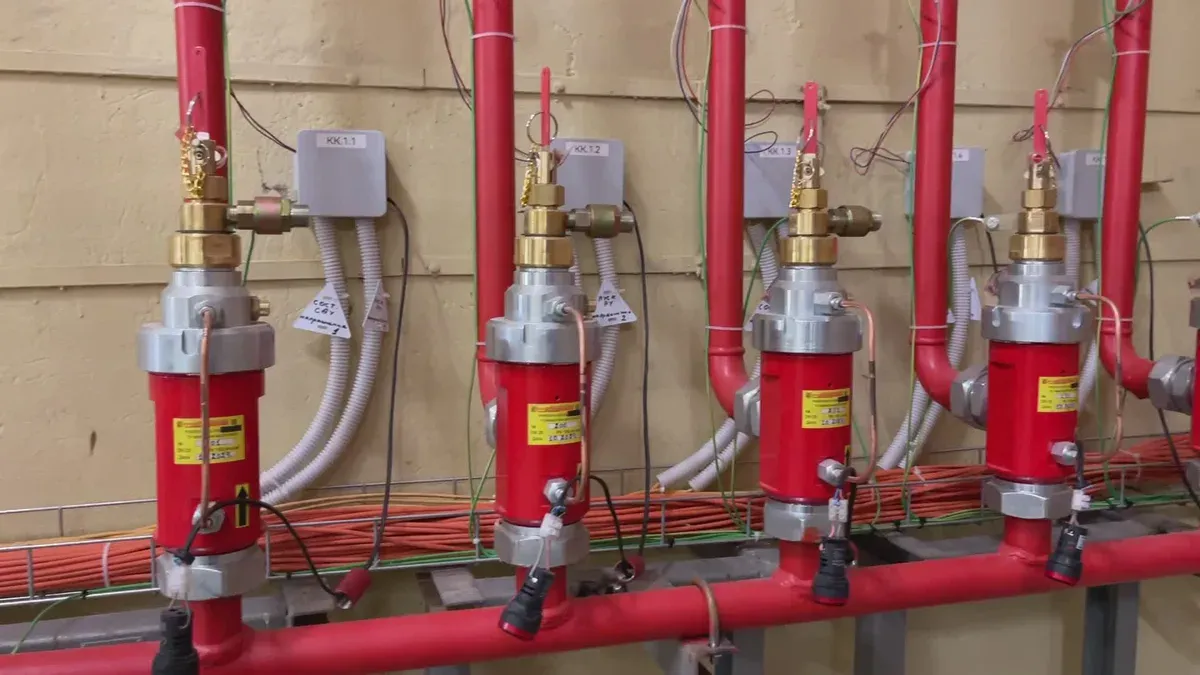
You can use a butterfly valve in your house for many things. In heating and cooling, these valves help control hot or cold water. This keeps rooms at a good temperature and saves energy. Butterfly valves are good for HVAC because they open and close fast. You can use them to control water lines. This makes sure you get the right amount of water where you want it. These uses help your home stay safe and work well. The simple shape of a butterfly valve means it does not need much space. You also get quick action and steady control.
Tip: If you use butterfly valves in your HVAC, you save energy and stay comfortable all year.
Factories and big buildings use butterfly valves for many jobs. You see them in water plants, chemical factories, food factories, and fire safety systems. The table below shows some common uses:
|
Industry |
Applications |
|---|---|
|
Water Treatment |
Control flow and pressure in different steps |
|
Food & Beverage |
Manage clean-in-place systems for liquids |
|
Oil and Gas |
Control flow in pipes and shut off quickly |
|
Pharmaceutical |
Keep processes clean and safe with non-toxic materials |
In these places, a butterfly valve gives fast action and stops leaks. You can use them from far away, so big buildings are easier to run. They are light and do not need much force, so you save energy and money when you put them in. You also get good work in safety systems like fire safety, where you need a quick response.
You use butterfly valves in many things every day, even if you do not see them. For example, you might find them in city water systems, farm watering, or even at school in the heating system. These valves help control water, air, or chemicals in lots of places. They work fast and are easy to automate, so they are great for today’s needs. You get help from them in things like clean water and nice air inside.
Choosing and Maintaining Electric Butterfly ValvesNote: More than 30% of flow control systems in water plants use butterfly valves, so they are very common.
You must pick the right butterfly valves for your system. First, think about what fluid you want to control. Water, air, and chemicals need different materials. Check the pressure and temperature in your pipes. Some valves work better with high pressure or heat. The place where you use the valve matters too. If there are lots of chemicals or saltwater, use aluminum bronze or duplex stainless steel. These materials do not rust easily and last longer.
Engineers and workers look at many things before choosing a valve. You should check how much flow you need and the pipe pressure. Think about how often you will use the valve. Make sure you have enough space to put it in. Cost is important too. Pick a valve that fits your budget and meets safety rules like API 6D, ASME B16.34, and ISO 9001. The actuator must match your voltage and control system. Some actuators work with smart systems, so you can control and watch them.
Tip: Always use the right valve material for your fluid. This stops leaks and keeps your system safe.
Checklist for selecting butterfly valves:
Type of fluid
Pressure and temperature
Material resistance to chemicals
Space for installation
Safety standards and certifications
Actuator voltage and control
You keep butterfly valves working well by doing easy checks. Look at the valve every three months. Watch for leaks or worn seals. If you see damage, change the seals to match your fluid. Check the actuator for any electric problems. Make sure wires are tight and use surge protectors to stop power surges. Add oil to gears if needed.
|
Maintenance Activity |
Recommended Interval |
|---|---|
|
Inspection |
Quarterly |
Some common problems are leaks, actuator trouble, and rust. You can fix leaks by changing seals and testing the valve with low pressure. If the actuator has problems, check the wires and power. Stop rust by using coatings and washing the valve to clean off dirt.
Smart care helps you find problems early. Smart valves with sensors can tell you if the actuator needs help or if seals are getting old. This keeps your system working well and stops breakdowns.
Note: Regular care and smart checks help butterfly valves last longer and keep your system running well.
Electric butterfly valves help control fluids in an easy way. They open and close fast. They do not use much energy. You can control the flow very well. You can also use them from far away. This keeps your system safe and working right. You see these valves in water plants, HVAC, and oil and gas places. Their smart parts help you save money. They also help you follow safety rules.
Electric butterfly valves are good for the environment. They help new buildings work better. You get strong valves that are simple to take care of every day.
Butterfly valves help control or stop flow in pipes. You can use them to start, stop, or change how much liquid or gas moves. People use them in water pipes, factories, and heating or cooling systems.
An electric valve actuator uses power to turn the disc. You can open or close the valve with a button or remote. This makes it simple to use butterfly valves in automatic systems.
Quarter-turn rotational valves open or close with a quick turn. You only need to turn them 90 degrees. They are fast and easy to use when you want to change flow quickly.
High performance butterfly valves are used where strong flow control is needed. You see them in chemical plants, oil and gas places, and fire safety systems. They work well with high pressure and hard jobs.
Yes, electric butterfly valves work for both on-off and control jobs. They give you exact flow control and quick shutoff. These valves fit many kinds of systems and uses.